
Riding the Tech Wave Responsibly, AI, Synthetic Biology, and the Race for Containment
AI is a technology with almost every use case imaginable … and that will demand that, in time, we rethink everything - Mustafa Suleyman, the CEO of Microsoft AI


The current era is defined by a technological revolution driven primarily by Artificial Intelligence (AI) and Biotechnology, particularly Synthetic Biology. These technologies are not merely incremental improvements but are “The Wave,” transformative turning points in human history that redefine what is possible, altering the course of civilization, economies, and societies. While the benefits of this wave are vast and profound, offering medical breakthroughs and smarter systems (as covered by our post here), the potential dangers are equally significant, including the creation of autonomous systems beyond human control and the manipulation of the building blocks of life. The core dilemma of this epoch is the ever-widening gap between the speed of innovation and the capacity for control or governance. This post, derived from the biweekly MINE presentation series by Raza Ansari, highlights these challenges and potential containment strategies. The detailed video presentation can be found here. The primary reference for this presentation is the book The Coming Wave by Mustafa Suleyman, the CEO of Microsoft AI.
As technology becomes cheaper and easier to use, its spread becomes inevitable (proliferation). Containment of technology, therefore, is not about suppressing innovation but about establishing meaningful control over technology by denying capacity to harmful actors and stopping its dangerous misuse.
The challenge facing humanity from the “Coming Wave” is not fundamentally technological, but motivational.

Incentives and Containment Principles
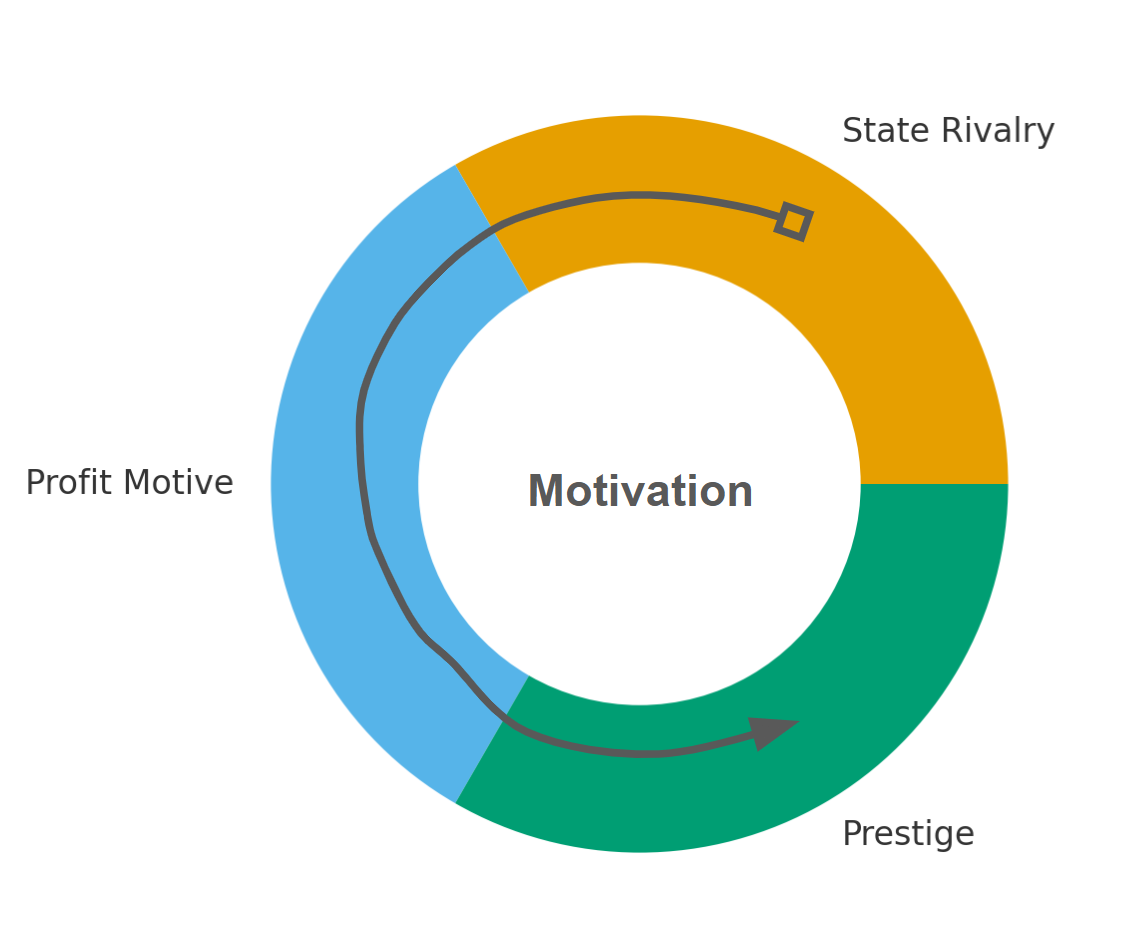
The momentum of innovation is propelled by three “unstoppable incentives”:
State Rivalry (nations seeking technological dominance),
Profit Motive (corporations chasing market share and efficiency), and
Prestige (researchers seeking recognition).
These incentives create a self-reinforcing cycle: governments fund research, companies scale the technology for profit, and scientists publish it, often open-sourcing it for prestige. This relentless velocity lowers containment barriers, making traditional regulation insufficient to match the pace. The solution, therefore, lies not in attempting to stop the wave, but in learning to ride it responsibly by reshaping incentives and managing strategic choke-points.
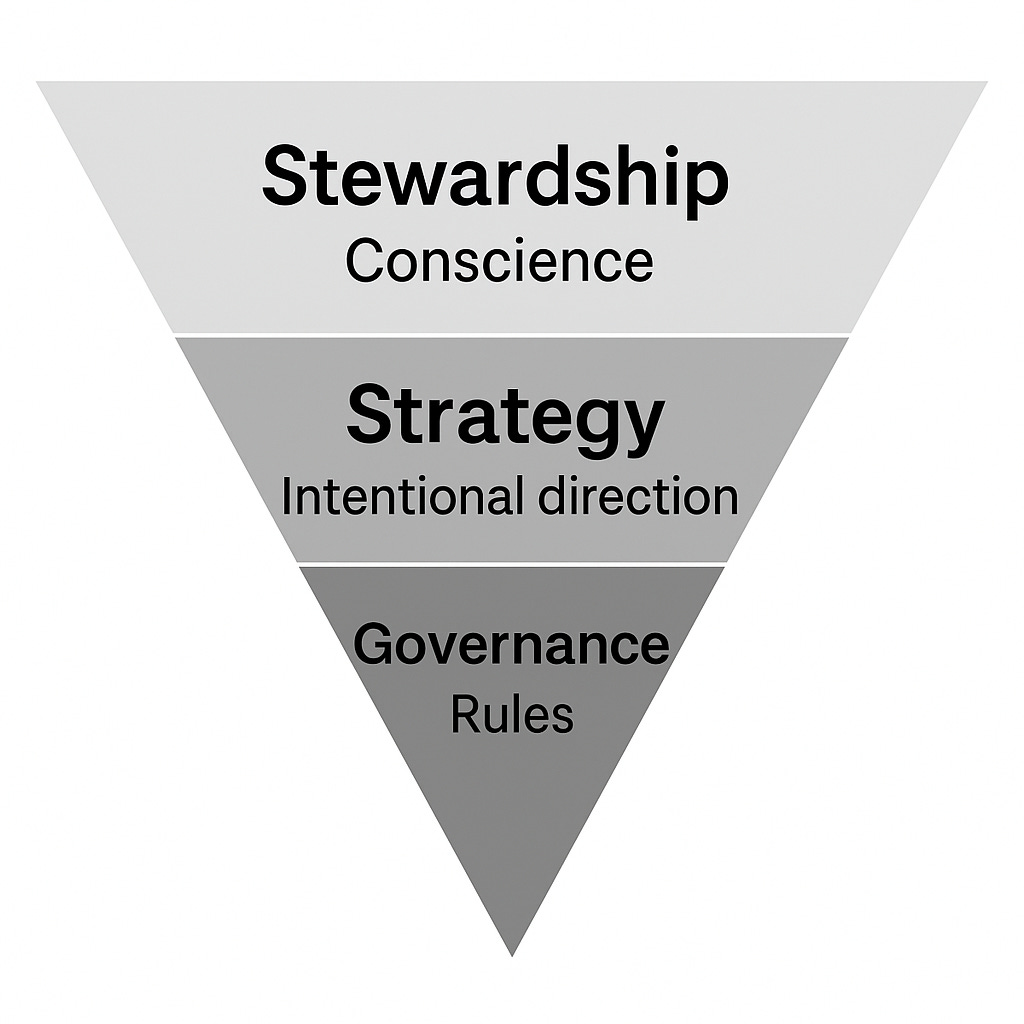
To steer this technological tide responsibly requires a leadership framework grounded in three principles:
Stewardship: Stewardship acts as the conscience, defining the legacy by ensuring technology serves humanity and ethics.
Strategy: Strategy determines the intentional direction, aligning innovation with ethical missions and values.
Governance: Governance provides the necessary guardrails, accountability, and risk awareness, balancing speed with safeguards.
Realigning Incentives with Governance
The strategic lever of reshaping incentives is paramount to achieving containment. This shift involves making responsibility profitable, linking business success directly to ethical design and transparency, and ensuring that market rewards are tied to accountability, rather than solely to financial metrics. When incentives and governance are successfully aligned, they point the organization in the same, safe direction.
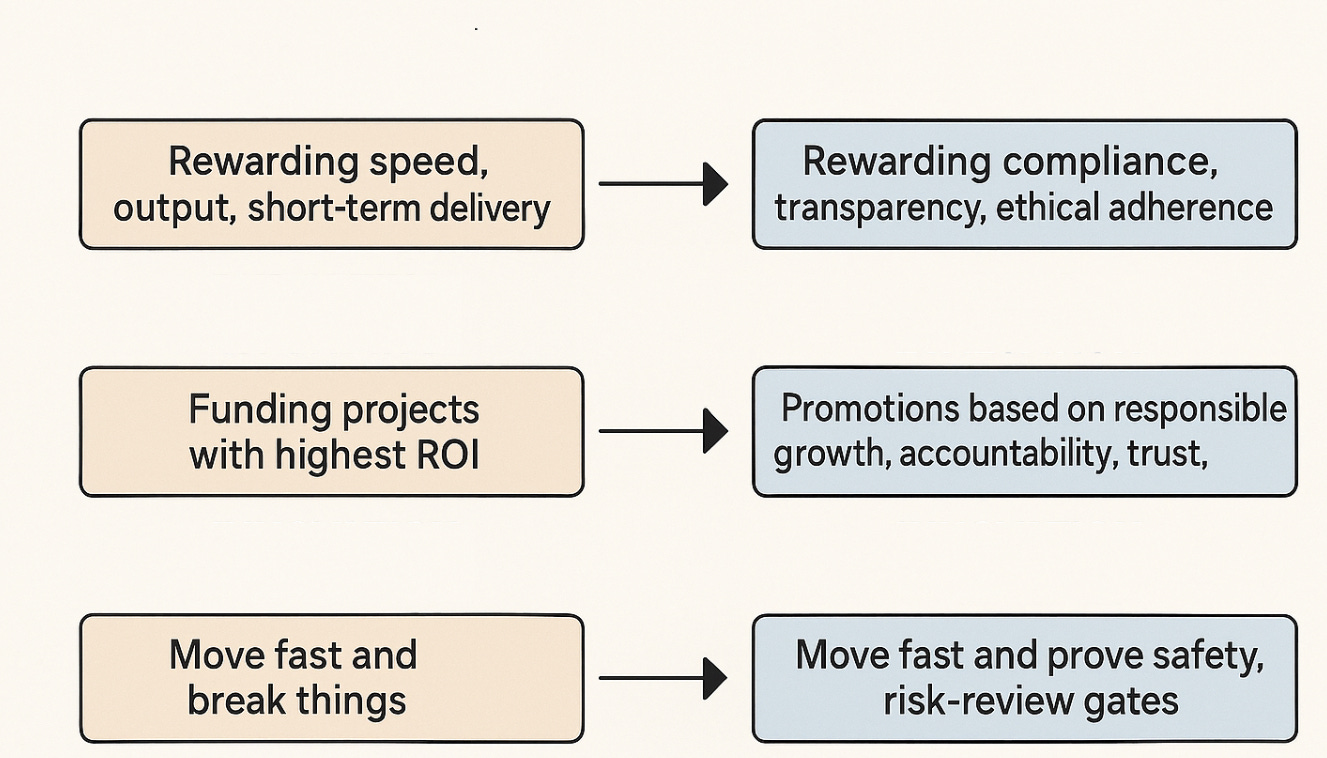
For instance, traditional Performance Metrics typically reward speed, output, and short-term delivery. A governance-aligned approach, however, mandates rewarding compliance, transparency, and ethical adherence alongside delivery. Similarly, Budgeting and Funding traditionally prioritize projects with the highest financial Return on Investment (ROI). Under governance alignment, funding must be directed toward projects that meet both ROI targets and essential criteria for security readiness, compliance, safety, and sustainability. This ensures that innovation is built on high integrity and high value, allowing risk and value to move together.
In Leadership Evaluation, promotions must move beyond mere expansion and output. Instead, leaders should be promoted based on responsible growth, demonstrated accountability, stakeholder trust, and long-term impact. In the sphere of Innovation Programs, the prevailing mindset of “Move fast and break things” must be replaced with the mandate to “Move fast and prove safety,” embedding mandatory risk review gates into the innovation pipeline. This discipline adds safeguards without necessarily killing speed. Finally, in AI and Data Governance, the focus must expand beyond performance and accuracy metrics. Evaluation should now include critical aspects such as explainability, fairness, privacy, and auditability, providing the transparency needed to understand a model’s reasoning.
Another strategic lever for better governance is managing choke-points, which involves identifying and controlling critical dependencies such as cloud access, GPUs, compute power, and Gene synthesis facilities. The goal of oversight is to slow down risky proliferation just enough to create breathing room for governance and security technologies to catch up. However, currently, corporations are exploiting these chokepoints—signing massive deals for chip capacity and compute access—to lock in market dominance and competitive advantage rather than enforcing restraint.
Ten Steps Toward Containment
To navigate this complex wave, a structured roadmap outlining ten steps toward containment has been suggested. These steps provide a comprehensive strategy covering technical, corporate, governmental, and societal action:
Technical Safety R&D: Programs must be funded to invest in AI and biosafety research before these systems reach mass adoption.
Audits: Implementing independent technical and ethical audits is crucial; knowledge is power, and power is control, providing leaders the visibility needed to identify gaps.
ChokePoints: Buy Time: Govern access to critical resources like compute, chip, and cloud access to delay risky acceleration and allow safety frameworks to mature.
Makers: CRITICS should build it: Ethicists, risk experts, and policy voices must be embedded directly into R&D teams to influence the innovation process from within.
Business: Profit + Purpose: This step reinforces the alignment of incentives, linking financial performance with mandatory ethical and safety metrics. When companies adopt this, good governance becomes a competitive advantage.
Government: Adapt, Reform, Regulate: Public institutions must build the capacity to govern emerging technologies, setting rules that define how far and how fast technology can scale, despite the challenge that public institutions often move slower than the technology they oversee.
Global Alliances – Time for Treaties: Containment demands shared international standards, safeguards, and cooperation frameworks rather than unilateral silos created by export controls.
Culture of Disclosure: Transparency over secrecy must be normalized, promoting honest failure reporting within the research and development community.
Civil Movements – People Power: Governments and corporations cannot be the only watchdogs. Empowering NGOs, advocacy groups, and research communities is necessary to raise awareness, spur risk assessment, and hold powerful actors accountable.
The Narrow Path: This final step emphasizes that there are no shortcuts. Containment is not a one-time policy to “set and forget,” but rather a continuous discipline that must be practiced consistently as technology advances.
Conclusion
In conclusion, the key takeaway is clear: while incentives are the engine driving proliferation forward, governance must seize control of the steering wheel to determine direction. Innovation is unstoppable, pushed by the pursuit of power and profit, but leaders must ensure this momentum aligns with long-term purpose and ethical values. Ultimately, this challenge is not born of fear, but requires decisive leadership to ride the wave with clarity, conscience, and control.
References
Suleyman, M., & Bhaskar, M. (2023). The coming wave: Technology, power, and the twenty-first century’s greatest dilemma. Crown.
Original Biweekly MINE presentation:
 | A guest post by
|
Brilliant. So, what's the third incentive? Asking for humanity's motivation.
I agree with with alot of your rational concepts in this article, but you might be missing the elephant in the room, because the organizations and societies (some secret) steering this technology are almost wholly transhumanistic and many even adopt the Malthusian theory that oneday we will run out resources and destroy the environment, so they are on board with depopulation programs (like Bill Gates and the late Henry Kissinger) to "cull the herd" and bring populations down to a manageable level. For this reason, technology like synthetic biology have created protein coded viruses (like the Corona virus with it's HIV spike protein encoded into it) that are a menace to civilization. Although the AI apps are very useful and wonderful for acquiring knowledge and doing research, the move towards a mega meta-world where nanotech PEGs and Bucky Balls become ubiquitous is a very disturbing reality we are now living in! Few people know about the nano tech meta- materials pulsing through their veins at this very moment; especially, if you took the Covid shot. These materials will be used to influence your genetic expression (epigenetics) in the new upcoming smart cities around the world through a science known as optogenetics! If you've never heard of it, it might be high-time you research it, because it only takes a flashing blue light, used as a carrier, to send a signal to your body to change its DNA expression, on demand. Does this sound like a Sci-fi novel to you? Welcome to the Brave New World, which is run by round-table think tanks and oversight committees. As your Muslim brother in Islam, it is my duty to warn you of Hisb- Shaitan's rotary clubs and Fondi Foundations, which do not have the best in mind for humanity, let alone our Ummah! Asalamu'alaikim wa Rahmat Allahi wa barakatouh!